

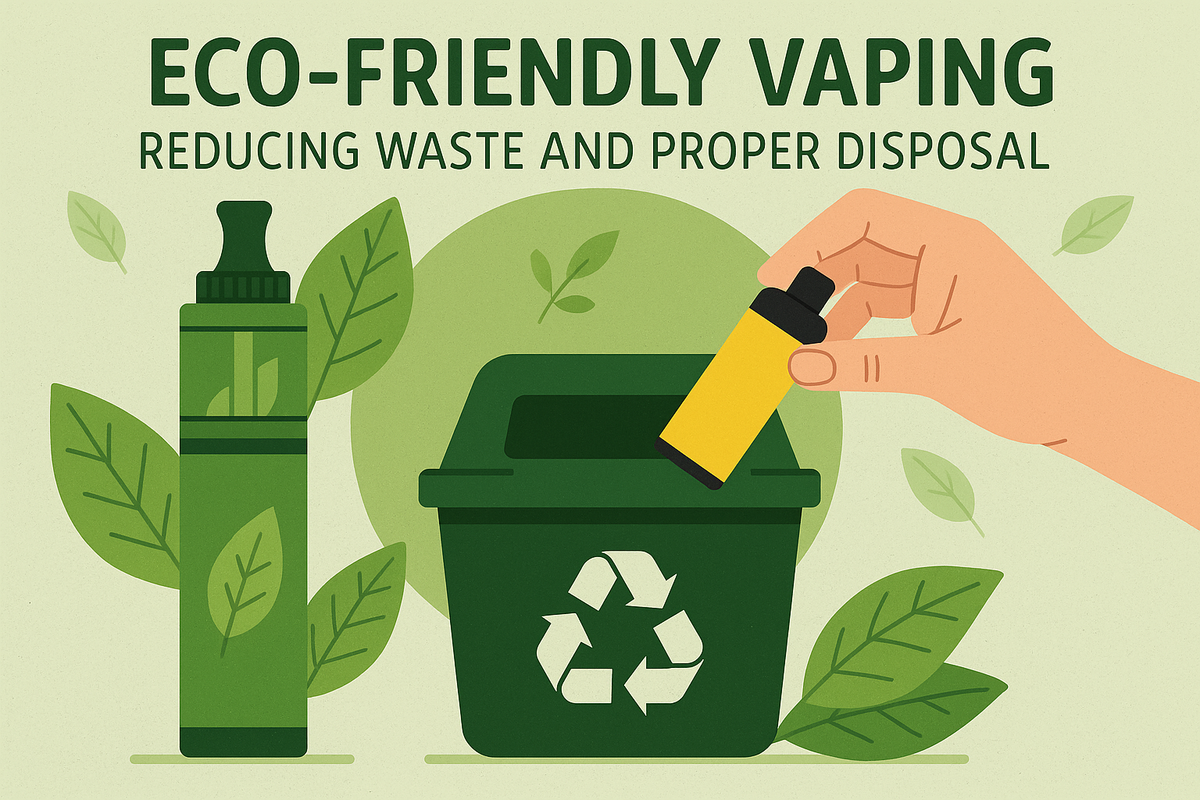
Eco-Friendly Vaping Reducing Waste and Proper Disposal.
The rise of vaping across the globe brings both convenience and concern. Millions of adults choose vapes as an alternative to traditional tobacco, yet the rapid growth of disposable devices leads to questions about waste. In Canada, reports show that nearly half a million disposable vapes end up in landfills every month. Each device contains plastic, metal, and a lithium battery. When thrown into regular trash, these parts cause long-term harm to the environment. This is where eco-friendly vapes Canada and responsible disposal steps come into focus. Readers today demand solutions that align with sustainability, and this topic highlights both the problems and the remedies.
A detailed understanding of sustainable vaping requires a closer look at the environmental footprint of disposables, the advantages of rechargeable options, and the importance of proper waste management. Whether through recycle vape Canada initiatives, disposal guidance, or retailer-driven programs, every step toward eco-responsibility matters. Here, we will break down the reality of waste, the science behind recycling, and the practical ways users can adopt greener habits without giving up vaping.
Environmental Impact of Disposables
Disposable vapes create a visible waste challenge. Each unit combines several components that degrade at different rates. The plastic shells remain intact for decades. Lithium batteries leak chemicals when crushed, and leftover e-liquid contaminates soil and water. A study conducted in North America shows that if current trends continue, disposable vape waste could exceed 150 million units per year. That volume places pressure on landfills and introduces toxins into ecosystems.
In urban areas, discarded vapes also appear on sidewalks, parks, and beaches. These devices break apart under weather, leaving sharp fragments that pose hazards to animals. Marine researchers warn that fish and seabirds mistake vape fragments for food. This cycle adds to the larger issue of plastic pollution already facing the planet. When viewed on this scale, the environmental cost of disposables becomes undeniable.
Governments in Europe and parts of Asia already push for bans or tighter restrictions on single-use devices. Canada now faces similar debates. If no action occurs, the nation risks a growing stream of electronic waste that carries both environmental and economic costs. That is why disposable vape recycling becomes more than a choice; it becomes a responsibility.
Rechargeable Alternatives
Rechargeable vapes present a practical solution to waste. Unlike disposables, these devices allow multiple refills before replacement. A single rechargeable kit can reduce waste by over 80% compared to single-use units. Users only replace pods or coils rather than discarding the entire device.
Modern rechargeable vapes also feature advanced battery designs that last months, if not years, with proper care. This longevity reduces the demand for constant manufacturing, lowering the carbon footprint of production and shipping. Many brands now design sleek, durable systems that balance performance with sustainability.
In Canada, eco-conscious consumers increasingly choose rechargeable options as part of their lifestyle. The appeal lies not only in reducing waste but also in saving costs over time. While disposables appear cheaper upfront, long-term use of rechargeable kits often proves more affordable. This shift aligns with the global trend where technology evolves to support both convenience and responsibility.
Proper Disposal of Pods & Batteries
Even with rechargeable systems, waste still exists. Pods, coils, and batteries need proper disposal. Tossing them into household trash causes harm because the components release chemicals when broken down. Instead, pods with e-liquid residues should be sealed in small containers before disposal to prevent leakage.
Lithium batteries require extra caution. Fire departments across Canada report small fires in garbage trucks caused by damaged vape batteries. To avoid risks, batteries should go to electronic recycling bins often available at municipal depots. In some regions, battery collection stations exist inside pharmacies or electronics retailers. By following these steps, users protect both the environment and community safety.
Education plays a central role. Many vape users remain unaware of disposal risks. Clear labeling on packaging and better awareness campaigns could change habits. Once consumers know the dangers, most are willing to make simple changes that protect their surroundings.
Recycling Programs
Formal recycle vape Canada programs now gain traction. Certain municipalities introduce pilot projects where consumers return empty vapes for safe processing. These programs extract metals, recycle plastics, and neutralize harmful chemicals. Specialized firms dismantle devices into separate components, ensuring each material follows the correct recycling path.
Retailers also take part in the effort. Some shops set up collection bins for used pods and devices. Customers who return waste often receive small discounts on future purchases, encouraging participation. These initiatives prove effective in cities with high vape usage. Reports from pilot cities show return rates of up to 30% within the first six months.
For recycling programs to expand nationwide, partnerships between municipalities, waste firms, and retailers must strengthen. A uniform framework would reduce confusion and allow broader access. In the future, government policies may require vape producers to finance recycling systems, similar to extended producer responsibility models seen in electronics and packaging industries.
Retailer Sustainability Efforts
Retailers play a vital role in shaping consumer habits. Stores that highlight sustainable vaping products create awareness at the point of sale. Shops can feature rechargeable kits more prominently than disposables. Clear in-store signage about recycling options also encourages responsible action.
In Canada, some vape stores already promote green practices. These include reducing plastic in packaging, offering refill stations, and partnering with recycling firms. Clutch Vape Store stands among retailers that explore such efforts, aiming to give customers both choice and responsibility. When businesses commit to sustainability, they influence both manufacturers and users.
The ripple effect reaches suppliers as well. Brands that partner with eco-conscious retailers often adapt their packaging and product design to align with sustainability goals. This shift not only reduces waste but also strengthens trust between companies and consumers. Retailers become more than sellers; they become educators and advocates.
FAQs
Can disposables be recycled?
Yes, but the process requires specialized handling. Standard curbside recycling cannot separate batteries, plastics, and metals safely. Users should drop disposables at electronic waste collection points or retailer collection bins when available. Some regions in Canada now test dedicated disposable vape recycling services.
How to dispose batteries?
Remove the battery from the device when possible and place it in a designated electronic recycling bin. If removal proves difficult, return the entire device to an e-waste facility. Never put vape batteries into household trash. Damaged batteries may cause fires or chemical leaks.
Any eco brands?
Several brands now invest in eco-friendly vapes Canada. They design rechargeable devices with longer lifespans, minimal plastic use, and recyclable packaging. While the market remains small, growth continues as demand for sustainable vaping rises.
Do eco options cost more?
Upfront, eco-friendly kits sometimes cost more than disposables. However, long-term use saves money because pods or refills cost less than buying new disposables daily. The initial investment pays off both financially and environmentally. Responsible choices often align with value when viewed over months rather than days.
Wrap Up
The shift toward eco responsibility in vaping rests on awareness, choice, and action. Disposable devices carry a heavy environmental cost, but solutions exist. Rechargeable alternatives, safe disposal steps, and recycling programs reduce harm. Retailers and consumers share responsibility in shaping habits that support both personal use and planetary health. With every decision, from purchase to disposal, the future of vaping in Canada can lean toward sustainability. Eco-friendly vapes Canada represent more than a trend; they mark a necessary path forward. By adopting sustainable vaping habits, supporting recycle vape Canada initiatives, and exploring disposable vape recycling, individuals take steps that protect the environment without giving up modern convenience.
En savoir plus

Understanding Canada’s Vaping Excise Tax What You Need to Know Before Buying
The Canadian market for vape products grows each year, but the government now applies an excise duty that changes how much buyers pay. The vaping excise tax Canada system is new for many customers,...
En savoir plus
The Importance of a Nearby Vape Shop Clutch Vape
A Vape shop plays a vital role for every user who values quality, choice, and accessibility. Many surveys show that more than 65% of vape users search online for Vape stores near me or Vape shop ne...
En savoir plus
Laisser un commentaire
Ce site est protégé par hCaptcha, et la Politique de confidentialité et les Conditions de service de hCaptcha s’appliquent.